
Buying Property & Getting a Mortgage in Italy as a Foreigner, non-resident or Italian ex-pat
Here are our top tips and guidance for buying a property and getting an overseas mortgage in Italy
As featured in...




About This Guide
Non-residents may be able to get an Italian mortgage, though lending is cautious and the deposit required is usually substantial. Italian banks do lend to foreign buyers and Italian expats, but they cap how much you may borrow, apply strict affordability rules, and will normally want your paperwork translated and in order before they commit.
We have been involved in arranging overseas mortgages since 1982. Simon Conn works with overseas lending sources that understand local mortgage requirements. Alongside independent local lawyers, he helps UK buyers, foreign nationals and Italian expats work out what they may be able to borrow, gather the right documents, and move through the Italian buying process.
This guide is for buyers looking at a permanent home, a holiday home or an investment property in Italy, who earn their income in a stable currency such as sterling, US or Canadian dollars, or Swiss francs.
Scroll down to read this guide or download the printable version here .
Free non-resident feasibility review. We reply within 24 to 72 hours. No obligation.
Download Now
If you’d like to download a free printable version of this guide, click here.

Listen to our deep-dive into this topic or read all of the crucial information below.
Buying Property & Getting a Mortgage in Italy as a Foreigner, non-resident or Italian ex-pat
Can a non-resident get a mortgage in Italy?
In most cases, yes. Foreign nationals and non-residents may be able to arrange an Italian mortgage, and Italy places relatively few restrictions on who may buy. UK nationals, and citizens of other countries with a reciprocal arrangement such as the United States, may buy and finance property whether or not they hold Italian residency, though what any individual lender will agree to depends on the applicant’s circumstances.
A few points shape what is possible.
Owning a home does not give you a visa or residency. Non-EU nationals may generally spend up to 90 days in any 180 in Italy. To retire there, you would normally apply for an elective residence visa, which requires you to show a substantial and stable private income from pensions, annuities, property or investments, and to hold valid health insurance. Income from employment is not taken into account. The Italian Consulate General in London does not publish a set minimum figure, so check the current requirements with them before you commit to a purchase:
You will need a codice fiscale. This Italian tax identification number is required before you can sign a contract, open a bank account, or apply for a mortgage.
You will need an Italian bank account. Lenders collect the monthly mortgage payments by direct debit from a local account.
Free Guide
Get your free Overseas Mortgage Guide.
How much can you borrow in Italy?
Italian lenders typically cap non-resident mortgages at around 50 to 60 per cent of the property’s value, so you should plan for a deposit of at least 40 to 50 per cent. The exact figure depends on the lender, the property and your own circumstances. Two things are worth understanding before you view.
The bank values the property itself. Your loan is normally calculated on the bank’s own valuation, the perizia, rather than on the price you agree. If the valuation comes in below the agreed price, you would usually make up the difference from your own funds.
Affordability is tightly controlled. As a general guide, all of your monthly commitments together, including any existing domestic mortgage and the new Italian mortgage, generally need to sit within around 30% to 35% of your net monthly income, though this varies by country and by lender. Italian banks will not usually count rental income from the Italian property towards affordability, so you would normally need to qualify on your existing income alone.
There is usually a minimum deal size. Italian lenders generally expect the property to be valued at €160,000 or more, with a minimum loan of around €90,000, so smaller purchases can be difficult to finance. If your budget sits below that, it is worth asking us early whether finance is realistic.
You can get a sense of your borrowing before you apply with our Italian mortgage calculator.
On adverse credit, Simon’s position is firm: an applicant will not be able to secure a loan if they have any past adverse credit history, regardless of the circumstances. This applies across every country we cover, not only Italy.
The Italian buying process, step by step
Getting a mortgage and completing a purchase in Italy usually takes three to four months and follows a set sequence. Never pay a confirmatory deposit without a suspensive clause, a clausola sospensiva, that protects your money if the bank declines the loan.
- The formal offer, proposta d’acquisto. You make an offer and pay a small deposit. Once the seller countersigns, the property comes off the market while you carry out your checks.
- The preliminary contract, compromesso. A binding contract at which a deposit of 10 to 30 per cent is paid. Under article 1385 of the Italian civil code, you forfeit this deposit if you pull out, and the seller must repay double if they do.
- Escrow. Deposits are increasingly held by the notary in a secure account, released only when the agreed conditions are met.
- The bank valuation, perizia. The lender instructs an independent technician to check the property’s legal compliance and confirm its value.
- Completion, atto notarile or rogito. Once the bank has approved the loan, you sign at the notary’s office, where all title and financial checks are completed.
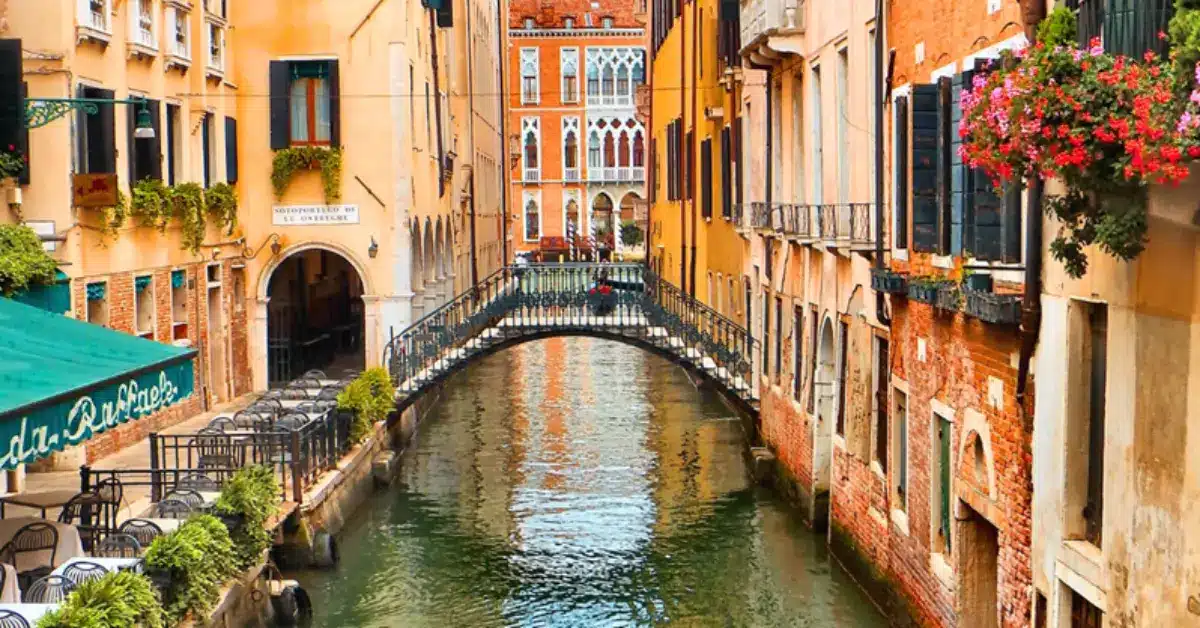
Documents you will need for an Italian mortgage.
Italian lenders review applications thoroughly, and records from outside Italy usually need a certified Italian translation and an apostille. Gathering these early prevents delays.
Proof of identity: a valid passport and your codice fiscale.
Proof of income if employed: your last three payslips, your employment contract, and two to three years of tax returns.
Proof of income if self-employed: two to three years of certified accounts or business financial statements, with personal tax filings.
Proof of funds: three to six months of bank statements showing the source of your deposit.
Credit record: a clean report from a recognised bureau such as Experian or Equifax.
Property documents: the compromesso and the property’s land registry records, the visura catastale.
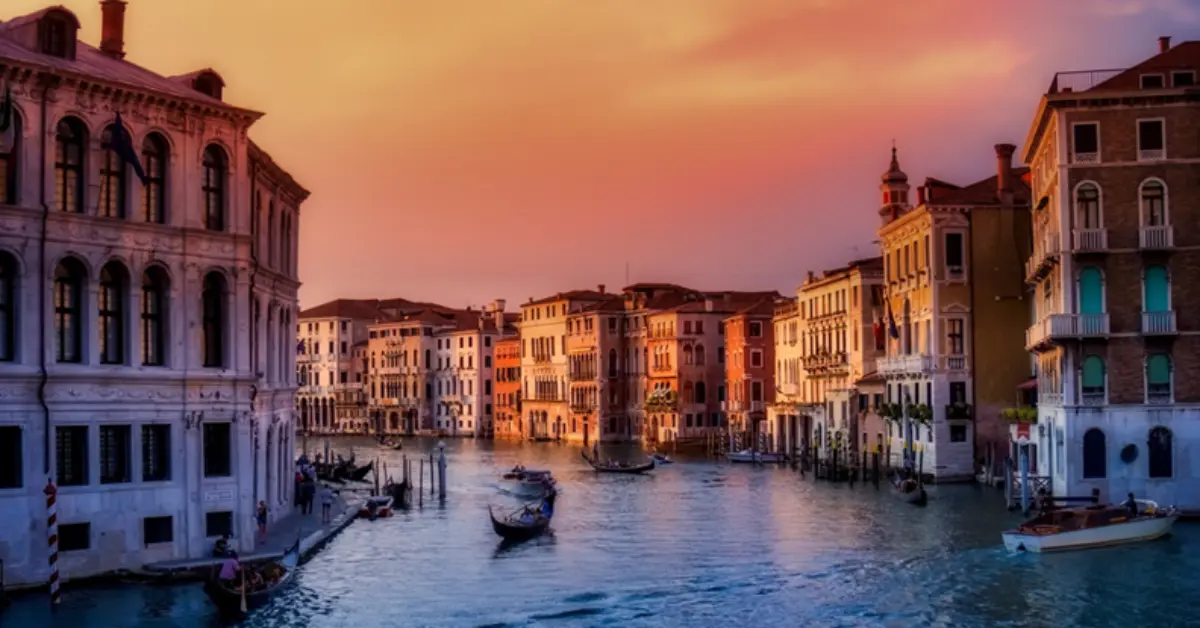
Costs and taxes when buying in Italy.
Beyond the deposit, budget at least 10 to 16 per cent of the property value for taxes and transaction fees. If you buy from a private seller, purchase tax is normally calculated on the cadastral value, a tax valuation that is usually well below the market price. If you buy from a company, VAT usually applies on the sale price instead.
Registration tax, private seller: typically 2 per cent of the cadastral value for a main residence if you become resident within 18 months, or 9 per cent for a second home.
VAT, corporate seller: usually 4 per cent for a non-luxury main residence, 10 per cent for a second home, 22 per cent for luxury property.
Notary fees: typically at least 1 to 2.5 per cent of the transaction value.
Estate agent fees: usually at least 1.5 to 5 per cent, plus VAT.
Land registry tax: usually around 1 per cent.
Mortgage registration tax: typically 2 per cent for a non-resident holiday home, or 0.25 per cent if the property will be your primary residence. Your lender or notary will confirm the exact amount.
If you let the property, rental income is taxable in Italy, either at a flat rate under the cedolare secca option or at ordinary rates, and you file an annual Italian tax return.

The Italian property market.
Prices vary sharply by region, so where you buy matters as much as what you buy. As a rough guide, the far north commands the highest prices while parts of the south are far more affordable, and Tuscany, Umbria, Liguria, the Italian Lakes and Rome remain the most popular areas with foreign buyers. These areas have good transport links and strong tourist demand, which supports holiday letting and makes local property management easy to arrange.

Frequently asked questions.
Are there age limits on Italian mortgages?
Usually, yes. Lenders typically want the loan repaid by age 70 to 75, so non-resident terms tend to run around 15 to 25 years, depending on the lender and your age at application.
Should I choose a fixed or variable rate?
Italian banks generally offer both. Variable rates track a margin above Euribor and move with the market. Fixed rates hold your payment for an agreed period. We do not quote specific rates here, as they change frequently.
Do I need an Italian bank account?
In most cases, yes, so the monthly mortgage payment may be collected by direct debit.
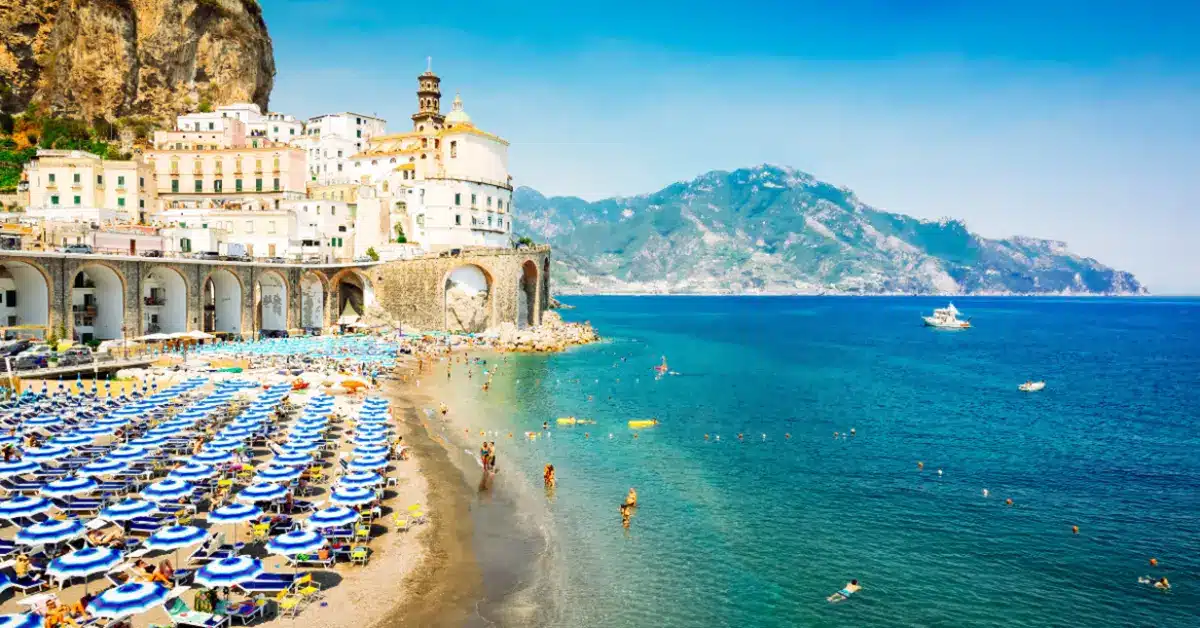
Key terms.
Euribor: the Euro Interbank Offered Rate, the benchmark that variable Italian mortgage rates are priced above.
In escrow: funds held by a neutral third party, usually the notary, and released only once the agreed conditions are met.
Cadastral value: a government tax valuation of a property, normally well below its market value, used to calculate certain purchase taxes.

Useful phrases/words when buying a property in Italy and in Italian-speaking countries
| ENGLISH | ITALIAN |
|---|---|
| Accountant (eg Chartered or Certified) | Commercialista |
| Address eg as in postal address | indirizzo |
| Apartment | appartamento |
| Architect | architetto |
| Asbestos | amianto |
| Bathroom | bagno |
| Bedroom | camera |
| Bond (in the stock market sense) | obbligazione |
| Building land | terreno edificabile |
| Building permit | concessione edilizia |
| Communal facilities agreement (management plan) | regolamento di condominio |
| Community of owners / Residents Association | condominio |
| Company | societa’ |
| Condition precedent | condizione sospensiva |
| Contract | contratto |
| Council Tax | ICI/IMU |
| Declaration of new building work (to local authority) | Dichiarazione inizio lavori |
| Deed of conveyance or deed of sale | rogito |
| Developer | costruttore |
| Drainage/sewerage | sistema fogniario |
| Encumbrance such as a right of way over the property | servitu’ |
| Estate Agency | agenzia immobiliare |
| Estate agent | agente immobiliare |
| Final title | titolo di proprieta’ |
| Furniture | mobilia |
| Gas/Electricity | gas/elettricita’ |
| Habitation licence | abitabilita’ |
| Income | entrata |
| Initial deposit | caparra confirmatoria |
| Insurance | assicurazione |
| Insurance policy | polizza assicurativa |
| Key | chiave |
| Kitchen | cucina |
| Land Registry | catasto terreni |
| Land Registry Search | visura catastale |
| Law | diritto e la legge |
| Lawyer | avvocato o notaio |
| Lead in paintwork | vernici tossiche |
| Licence (dependant on sense used) | licenza |
| Light (electricity) | illuminazione |
| Loan | mutuo |
| Loan with mortgage | mutuo ipotecario |
| Local land due by the person who owns the property on 1 January of each year – owner/occupiers pay both | tassa fondiaria |
| Local occupancy tax due by the person who resides in the property on 1 January of each year | tassa sulla casa |
| Mandatory reports on certain aspects such as termites, asbestos, lead in paintwork etc comparable to HIPS in UK | diagnostica |
| Mortgage/charge | gravame, ipoteca |
| Municipality | municipalita’ o comune |
| Notary Public | notaio |
| Olive Grove | uliveto |
| Planning permission | concessione edlizia |
| Plot (of land) | lotto |
| Power of Attorney | Procura |
| Preliminary binding agreement | compromesso |
| Preliminary binding agreement (nb there are several French expressions with slightly different legal meanings) | compromesso |
| Property | bene immobile |
| Purchase / Buying and selling | acquisto/acquisto o vendita |
| Purchase contract | atto di vendita |
| Purchase price | prezzo di acquisto |
| Raw Agricultural Land | terreno agricolo |
| Report on natural and technological risks local to the property | n/a |
| Reservation contract | prenotazione |
| Resident | residente |
| Sale price | prezzo di vendita |
| Sceptic tank | fosse septiche |
| Stamp/registration duty | imposta di registro |
| Statutory 10 year Construction Guarantee | garanzia decennale |
| Statutory 7 day cooling-off period | diritto di recesso entro sette giorni |
| Statutory report on energy performance of property | certificato energetico |
| Storage room | ripostiglio |
| Swimming Pool | piscina |
| Tax | tassa o imposta |
| Tax consultant | consulente fiscale |
| Termites/stag beetle | Termiti |
| Terrace | Terrazza |
| Title Deed | Titolo di proprieta’ |
| Title Office | n/a |
| Town Hall | Comune |
| Transitional title | n/a |
| Value of the property | valore del bene |
| VAT (Value Added Tax) | IVA imposta valore aggiunto |
| Will | Testamento |

Free Overseas Mortgage Assessment
If you require a mortgage for financing your overseas property, please complete our questionnaire and we will let you know if we can assist further.
Download This Guide